National Profile
Republic of Cameroon — Maritime Overview
Republic of Cameroon — Maritime Overview
The Republic of Cameroon is a Central African coastal State with access to the Atlantic Ocean through the Gulf of Guinea. Its maritime domain plays an important role in regional and international trade, serving as a gateway for both national commerce and land-locked neighbouring countries.
Cameroon's maritime sector supports shipping, port operations, offshore activities, fisheries, and related maritime services, contributing to economic development and regional connectivity.
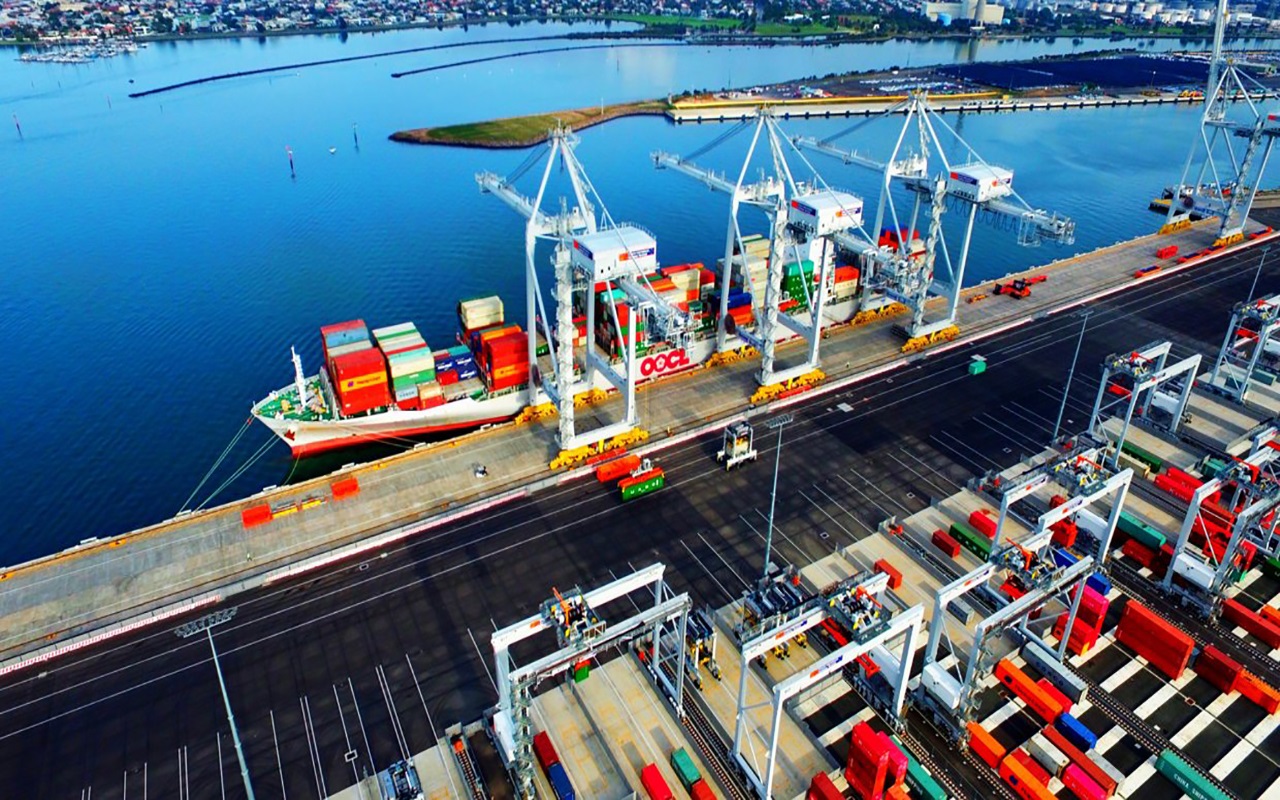
Geographic and Maritime Context
Cameroon’s coastline extends along the Gulf of Guinea and includes territorial waters and maritime zones administered in accordance with national legislation and international law.
The country’s maritime position supports:
International and regional shipping routes
Port and terminal operations
Coastal and offshore maritime activities
Maritime transport serving Central Africa

Ports and Maritime Infrastructure
Cameroon hosts major port facilities that support container traffic, bulk cargo, offshore logistics, and general maritime services. These ports form an essential part of the national transport network and facilitate trade between Cameroon, neighbouring States, and global markets.
Port and maritime infrastructure development is guided by national policy and regulatory oversight to ensure safe, efficient, and compliant maritime operations.
Maritime Administration and Governance
Maritime activities within Cameroon's jurisdiction are regulated under national legislation and administered in alignment with applicable international maritime conventions.
The Cameroon Ship Registry is responsible for overseeing maritime affairs, ensuring compliance with safety, environmental, and regulatory standards, and supporting the orderly conduct of maritime activities under national jurisdiction.
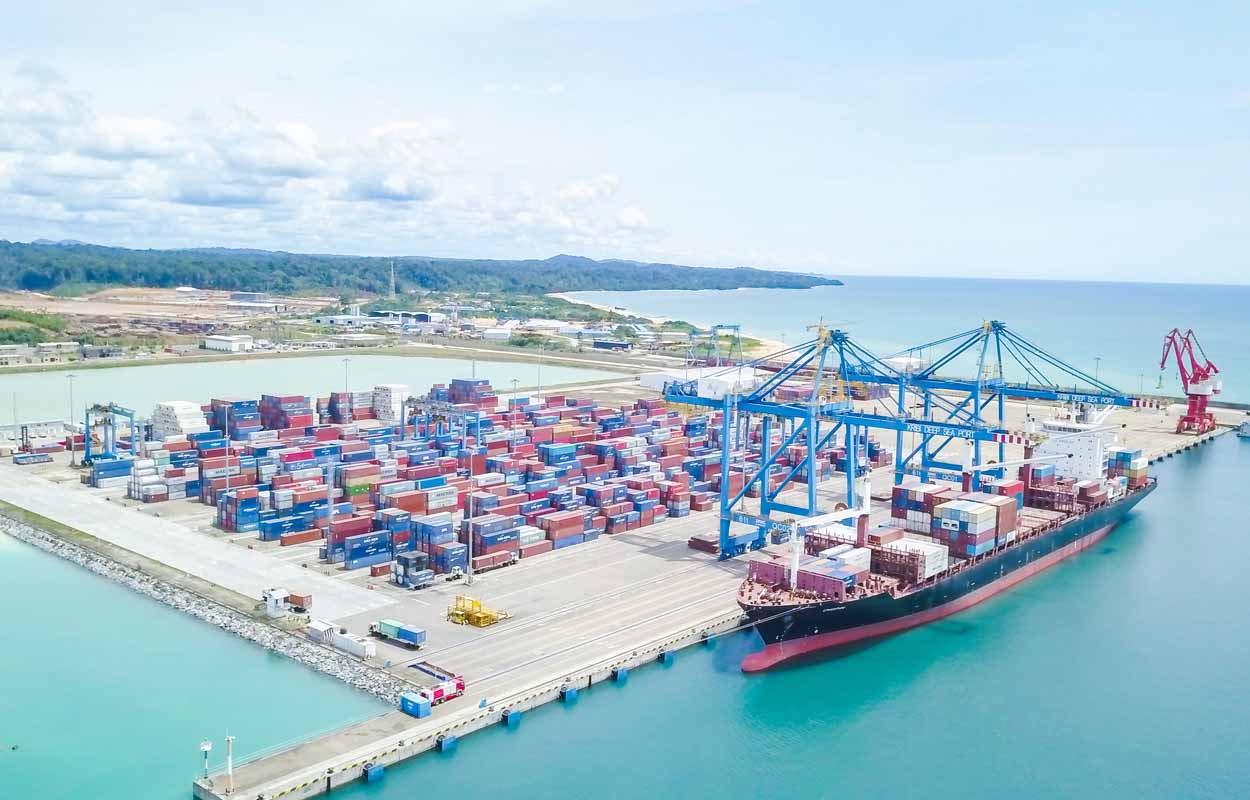

International Maritime Engagement
Cameroon participates in the international maritime framework through adherence to key conventions adopted by the International Maritime Organization (IMO) and the International Labour Organization (ILO).
This engagement supports:
Harmonization with international maritime standards
Recognition of Cameroonian maritime documentation
Cooperation with regional and international maritime partners
National Maritime Objectives
Cameroon's maritime policy aims to promote safety and security, protect the marine environment, support lawful and efficient maritime transport, and strengthen the country's role in regional and international shipping.


Promote maritime safety and security
Protect the marine environment
Support lawful and efficient maritime transport
Strengthen the country’s role in regional and international shipping